1. Why South America is Emerging as a Gymwear Manufacturing Hub
South America is rapidly gaining recognition as a strategic location for gymwear and activewear manufacturing — including sweat shorts — due to a combination of favorable trade agreements, skilled labor, and proximity to North American markets. For startups launching gymwear lines, sourcing from South America offers both economic and logistical advantages.
Key Advantages of South American Manufacturing:
| Benefit | Description |
|---|---|
| Proximity to the U.S. | Shorter shipping times and reduced freight costs for North American brands |
| Skilled Workforce | Strong textile and garment heritage in countries like Colombia, Brazil, and Peru |
| Trade Agreements | Countries like Colombia benefit from free trade agreements with the U.S. and EU |
| Flexible MOQ | More willingness to work with small-batch orders — ideal for startups |
| Natural Fibers | Access to high-quality cotton and eco-friendly materials, such as Pima cotton from Peru |
Leading Countries in South American Apparel Production
- Colombia: Known for its advanced textile technology and high-quality activewear production.
- Brazil: Offers large-scale manufacturing capabilities and a robust domestic textile industry.
- Peru: Specializes in premium cotton and eco-friendly fabrics, ideal for sustainable gymwear.
- Argentina: Offers cost-effective labor and growing infrastructure for apparel exports.
Why Gymwear Startups Benefit
Startups often struggle to meet the high MOQs required by Asian factories. In contrast, South American factories are increasingly offering low to mid-range MOQs, allowing new gymwear brands to test the market without overextending on inventory.
“Sourcing gymwear from South America allows us to balance quality, brand identity, and delivery speed — all critical for startup success.” — A U.S.-based fitness apparel entrepreneur
2. Key Features Startups Should Look for in a Sweat Shorts Supplier
Choosing the right sweat shorts factory is a crucial step for gymwear startups. The ideal partner doesn’t just manufacture — they collaborate, innovate, and support your brand growth.
Checklist: What to Look for in a Sweat Shorts Supplier
| Feature | Importance for Startups |
|---|---|
| Low Minimum Order Quantities (MOQs) | Allows startups to test product lines without large capital |
| Customization Options | Enables brand differentiation through fabric, fit, and logo placement |
| OEM/ODM Capabilities | Supports both original designs and white-label options |
| Sampling Speed | Faster prototyping means quicker time-to-market |
| Quality Assurance | Consistent stitching, colorfastness, and fabric performance |
| Ethical Manufacturing | Compliance with labor laws and sustainability standards |
| Communication & English Fluency | Vital for clear collaboration and avoiding production errors |
| Shipping & Logistics Support | Helps simplify international freight and customs clearance |
Red Flags to Avoid
- Factories that avoid providing references or product samples
- No written quality control standards
- Inconsistent lead time estimates
- Lack of OEM/ODM documentation
Why OEM/ODM is Valuable for Gymwear Startups
Startups often have limited design resources. An experienced OEM/ODM sweat shorts supplier can take a rough idea or sketch and turn it into a fully developed product — from sourcing fabric to packaging design. This is especially helpful for brands that aim to launch quickly without building an in-house design team.
If you’re considering Asian alternatives, China still leads in OEM/ODM support. For example, S-SHAPER offers gymwear startups full-spectrum OEM/ODM services, including rapid prototyping, custom branding, and scalable manufacturing. While based in Asia, their services can act as a benchmark when evaluating South American suppliers.
3. Top Sweat Shorts Factories in South America for Wholesale Orders
Below are some of the most reliable sweat shorts factories in South America known for working with startups and medium-sized gymwear brands. These manufacturers offer OEM/ODM services, flexible MOQs, and high-quality fabrics suitable for performance apparel.
1. Protela (Colombia)
- Location: Bogotá, Colombia
- Specialty: High-performance textiles and activewear manufacturing
- MOQ: 200–500 pieces
- Strengths: Vertical integration, custom dyeing, antimicrobial fabrics
- B2B Services: OEM, ODM, private label, fabric R&D
2. Textiles Camones (Peru)
- Location: Lima, Peru
- Specialty: Organic cotton and sustainable gymwear
- MOQ: 100–300 pieces
- Strengths: Pima cotton, GOTS-certified production, eco-friendly lines
- B2B Services: OEM, design support, export expertise
3. Diltex (Brazil)
- Location: São Paulo, Brazil
- Specialty: Large-scale fashion and fitness manufacturing
- MOQ: 500+ pieces
- Strengths: Custom printing, compression garments, in-house design team
- B2B Services: ODM, trend consulting, logistics support
4. Ingesa (Colombia)
- Location: Medellín, Colombia
- Specialty: Seamless gymwear and sportswear
- MOQ: 300 pieces
- Strengths: Seamless knitting, quick-dry fabrics, ergonomic fit
- B2B Services: OEM, ODM, 3D design samples
5. Peruvian Knitwear (Peru)
- Location: Arequipa, Peru
- Specialty: Knitwear and fleece gymwear, including sweat shorts
- MOQ: 150–300 pieces
- Strengths: Soft-hand fleece, brushed cotton, dye consistency
- B2B Services: Private labeling, small batch production, sampling
Comparison Table: Top Sweat Shorts Factories in South America
| Factory | Country | MOQ | Specialty | OEM/ODM |
|---|---|---|---|---|
| Protela | Colombia | 200–500 | Performance textiles | Yes |
| Textiles Camones | Peru | 100–300 | Organic cotton gymwear | Yes |
| Diltex | Brazil | 500+ | Compression & printed fitnesswear | Yes |
| Ingesa | Colombia | 300 | Seamless sportswear | Yes |
| Peruvian Knitwear | Peru | 150–300 | Fleece shorts & knitwear | Yes |
Need a Benchmark in Asia?
If you’re comparing global options, S-SHAPER in China is a standout OEM/ODM manufacturer offering gymwear solutions including sweat shorts, bodysuits, and waist trainers. Their flexible MOQs (starting at 50 pieces), 48-hour prototyping, and advanced fabric tech make them a popular choice for startups.
4. Comparing South American Sweat Shorts Factories with Asian Manufacturers
As gymwear startups evaluate production options, it’s critical to compare the pros and cons of different manufacturing regions. While Asia—especially China—has long been the global leader in apparel manufacturing, South America is gaining momentum with its own set of advantages, particularly for brands targeting North American or European markets.
Comparative Overview: South America vs. Asia
| Feature | South America | Asia (e.g., China) |
|---|---|---|
| Shipping Time to U.S. | 3–5 days (via air), 2–3 weeks (via sea) | 7–10 days (via air), 4–6 weeks (via sea) |
| Average MOQ | 100–500 pieces | 500–1,000+ pieces |
| Labor Cost | Moderate | Low (but rising) |
| OEM/ODM Experience | Growing | Extensive |
| Fabric Tech | Strong in natural fibers (Peru) | Advanced synthetic and seamless tech |
| Communication | Easier time zones for U.S. brands | Often requires late-night coordination |
| Sustainability Focus | Strong (Peru, Colombia) | Improving, with leaders like S-SHAPER |
| Intellectual Property Protection | Moderate | Stronger in established vendors |
| Sampling Time | 7–14 days | 48 hours–7 days (faster in China) |
When to Choose South America
- You want faster shipping to the U.S. or Latin America
- You prefer low MOQs and a flexible production partner
- You’re building a sustainable or eco-conscious brand
- You want to leverage trade agreements like USMCA or ATPDEA
When to Choose Asia
- You need advanced synthetic fabrics or compression garments
- You want rapid prototyping and large-scale production
- You’re developing a tech-driven product (e.g., moisture-wicking, anti-bacterial)
- You need competitive pricing at high volumes
A Benchmark in Asia: S-SHAPER
For startups seeking a trusted Asian gymwear manufacturer, S-SHAPER stands out. They offer:
- 48-hour rapid prototyping
- Custom fabrics and compression levels
- MOQ from just 50 pieces
- Fully integrated OEM/ODM services
- Seamless knitting and 3D shaping technology
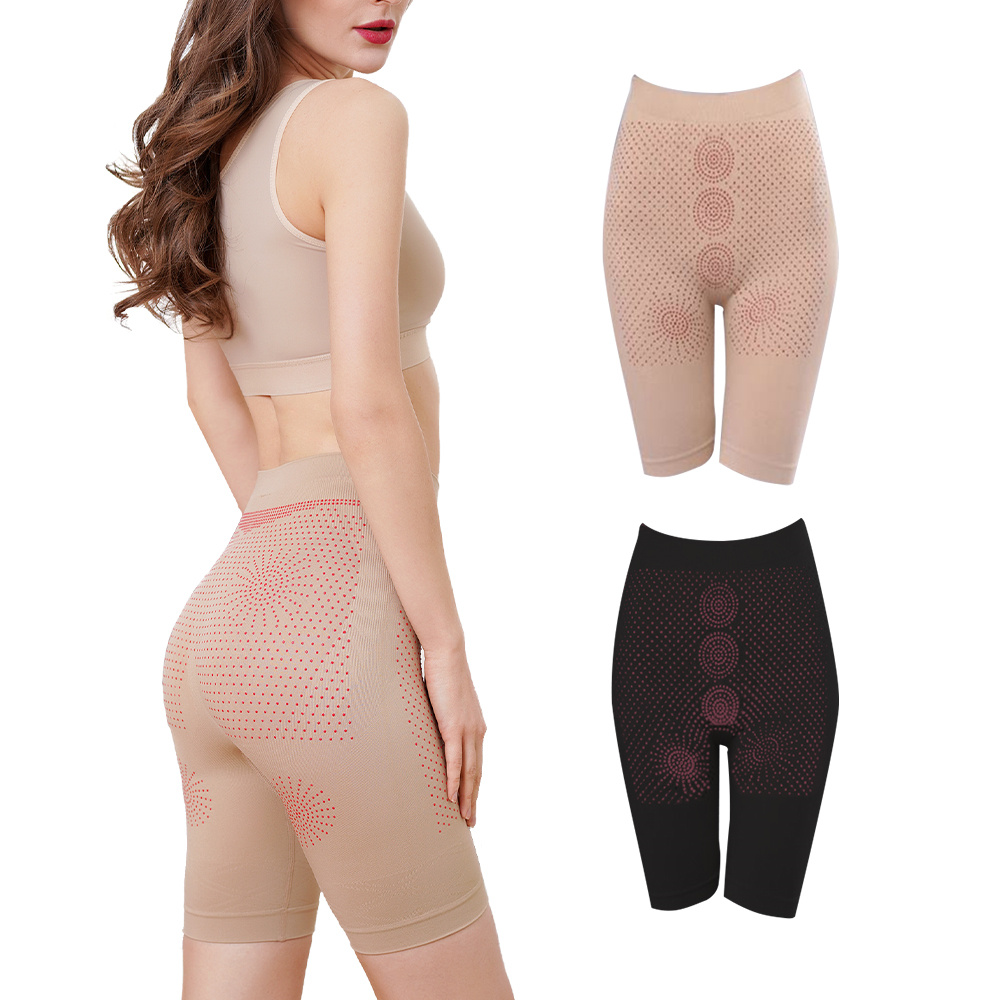
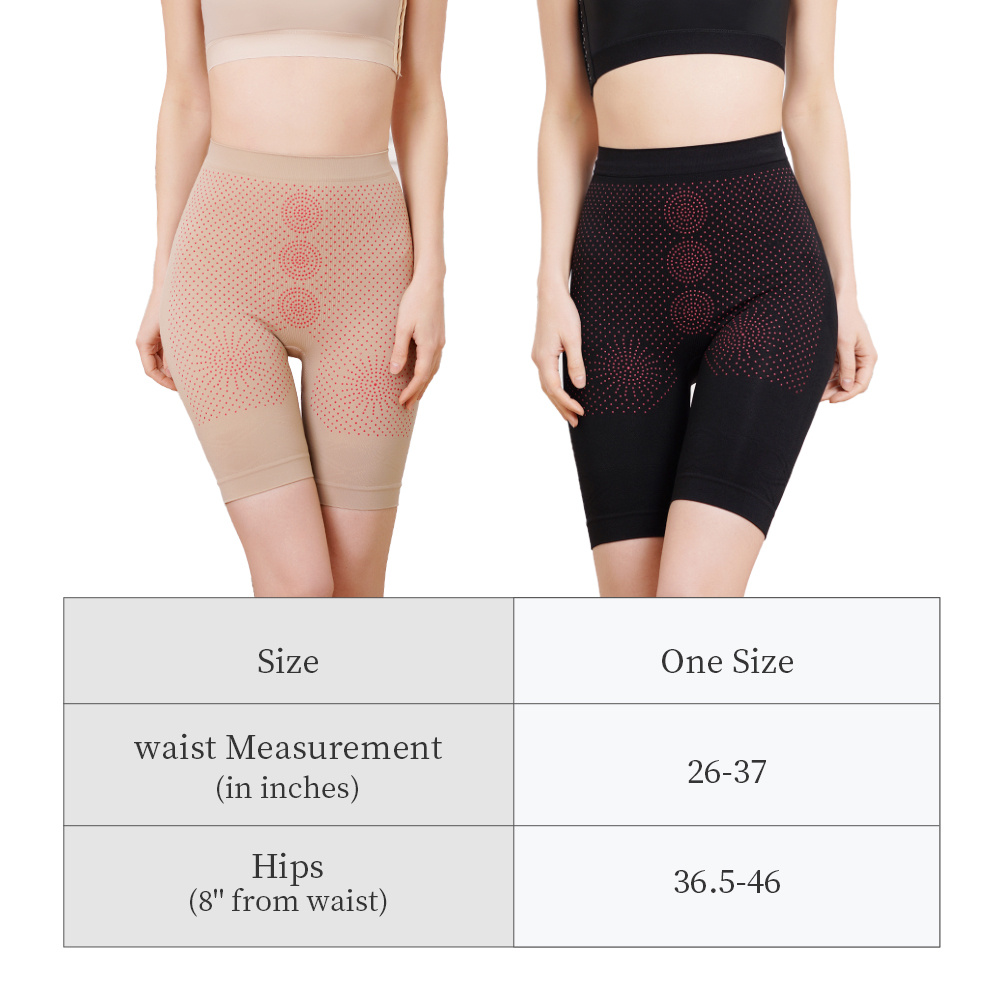
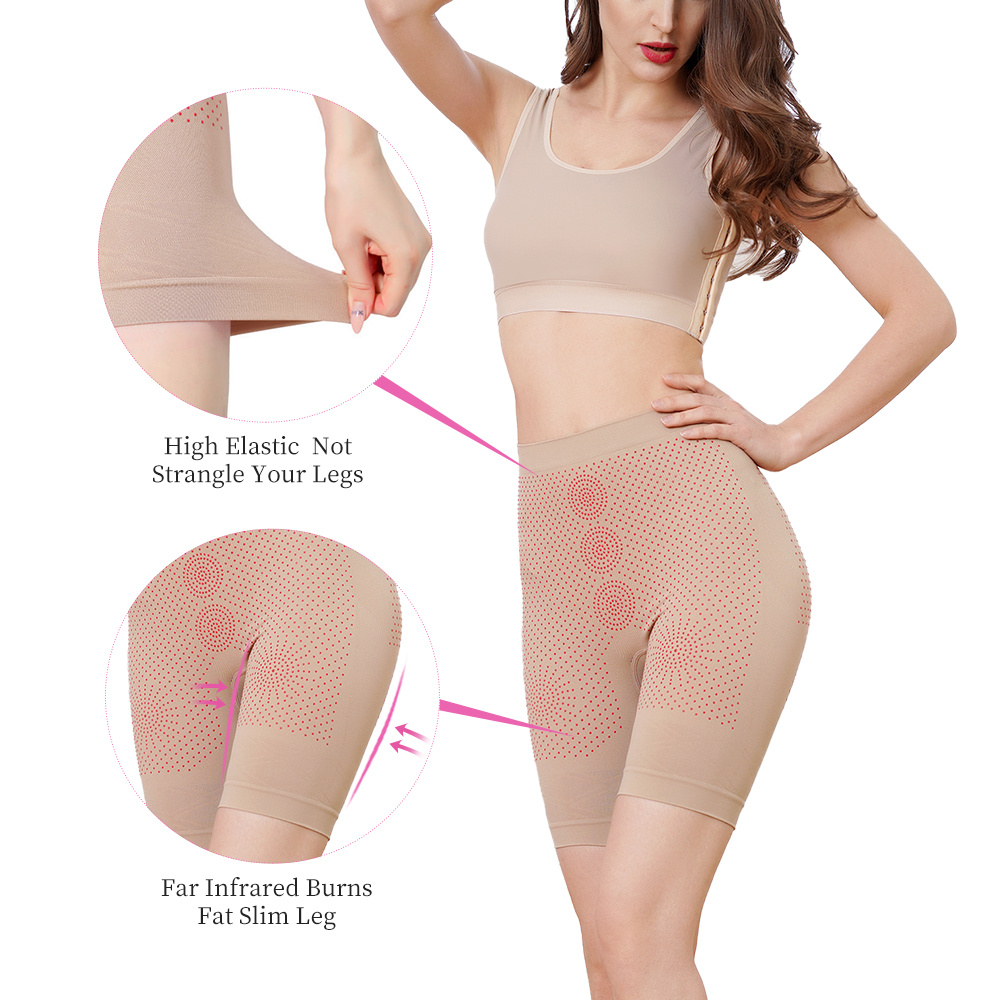
S-SHAPER is especially ideal for brands looking to scale, as their production capacity exceeds 1 million pieces/month, and their global warehouses enable competitive shipping times.
5. How to Choose the Right Sweat Shorts OEM Partner for Your Gymwear Brand
Choosing the right OEM partner isn’t just about cost or capacity — it’s about finding a factory that aligns with your brand’s vision, quality expectations, and growth objectives. Here’s a step-by-step guide to help gymwear startups choose the right sweat shorts factory in South America (or beyond).
Step-by-Step Guide to Selecting a Sweat Shorts OEM Partner
-
Define Your Brand and Product Goals
- Who is your target audience?
- What features must your sweat shorts include (e.g., compression, pockets, elastic waistband)?
- Are you focused on sustainability, affordability, or luxury?
-
Shortlist Factories by Core Capabilities
- Match your needs to the factory’s strengths (e.g., seamless production, organic cotton, etc.)
- Use factory directories, trade shows, and references to create your shortlist
-
Request Samples
- Evaluate fabric quality, stitching, fit, and overall finish
- Inquire about sample costs and turnaround time
-
Check OEM/ODM Experience
- Have they worked with startups before?
- Do they provide design assistance or just white-label manufacturing?
-
Evaluate Communication and Project Management
- Are they responsive?
- Do they speak fluent English or your preferred language?
- Are timelines and deliverables clearly defined?
-
Review Certifications and Compliance
- ISO, WRAP, GOTS, or other relevant certifications
- Ask for third-party audit reports if possible
-
Negotiate Terms
- MOQ, lead time, sampling fees, payment terms
- Revisions policy and defect handling
Key Questions to Ask a Sweat Shorts OEM
- What is your MOQ for sweat shorts with full customization?
- Can I add custom labels, hangtags, and packaging?
- What is your lead time for sampling and bulk production?
- Do you offer size grading across XS to XXL?
- What fabrics do you recommend for performance gymwear?
- Can you share references or previous clients in the fitness niche?
Pro Tip: Always visit the factory (virtually or in person) before placing a large order. Transparency builds trust.
Why S-SHAPER Sets a Global Standard
Even if you’re sourcing from South America, it’s worth benchmarking against industry leaders like S-SHAPER. Their OEM/ODM offering includes:
- Custom branding from fabric to packaging
- Pattern development and sample creation
- In-house R&D team for functional gymwear
- Transparent communication and design feedback loop
S-SHAPER’s ability to turn a concept into a polished, market-ready gymwear product is especially valuable for startups that lack in-house technical teams.
6. Customizing Sweat Shorts: Fabric, Fit, and Branding Options
Customization is where your gymwear brand truly comes to life. Sweat shorts may seem simple, but the choices you make in fabric, cut, color, and branding significantly impact fit, comfort, and market appeal.
Key Customization Elements for Sweat Shorts
| Element | Options | B2B Impact |
|---|---|---|
| Fabric | Cotton, French Terry, Polyester, Spandex, Bamboo blends | Impacts breathability, stretch, and cost |
| Fit | Slim, regular, longline, relaxed | Aligns with your brand’s aesthetic |
| Waistband | Elastic, drawstring, ribbed | Affects comfort and function |
| Pockets | Side, back, zippered | Adds utility and premium feel |
| Stitching | Flatlock, overlock, seamless | Influences durability and comfort |
| Branding | Heat transfer, embroidery, woven labels | Reinforces brand identity |
| Color Options | Pantone matching, tie-dye, garment dye | Attracts different market segments |
| Packaging | Custom polybags, recycled boxes, printed wraps | Enhances unboxing and perceived value |
Fabric Selection Tips for Gymwear Startups
| Fabric Type | Description | Best For |
|---|---|---|
| Cotton French Terry | Soft, absorbent, natural | Athleisure and loungewear |
| Polyester-Spandex Blend | Moisture-wicking, stretchy | High-performance workouts |
| Bamboo Cotton | Eco-friendly, breathable | Sustainable activewear |
| Nylon-Spandex | Durable, sleek, compressive | Premium sportswear |
Branding Your Sweat Shorts
- Logo Placement Ideas: Waistband, thigh, back pocket, hem
- Tagging Options: Tear-away tags, woven labels, heat-transfer tags
- Packaging: Add your logo to polybags or use eco-friendly kraft boxes
OEM Customization Support
Most South American sweat shorts factories (like Protela or Ingesa) offer customization services, but make sure to confirm:
- Pantone color matching accuracy
- Availability of your preferred fabric blend
- Whether they can provide custom trims (zippers, drawcords)
For comparison, S-SHAPER integrates all of these elements into their OEM services, along with advanced technologies like 3D shaping and moisture-wicking materials. This allows gymwear startups to launch premium collections with minimal technical risk.
7. Bulk Ordering and MOQ Considerations for Gymwear Startups
For gymwear startups, understanding bulk ordering dynamics is essential to managing inventory, cash flow, and production timelines. Minimum Order Quantities (MOQs) are especially important when working with sweat shorts factories in South America, as they vary based on factory size, customization level, and fabric sourcing.
Understanding MOQ in South American Sweat Shorts Manufacturing
| Factory Size | Typical MOQ | Ideal For |
|---|---|---|
| Small Workshop (<50 staff) | 100–200 pcs | Early-stage startups |
| Mid-Sized Factory (50–200 staff) | 300–500 pcs | Growing DTC brands |
| Large-Scale Manufacturers | 500–1,000+ pcs | Established gymwear labels |
Factors Influencing MOQ
- Fabric Type: Custom-dyed or imported fabrics often require higher MOQs
- Customization Level: Fully custom designs (OEM) require more setup vs. white-label (ODM)
- Production Method: Seamless knitting or sublimation printing may have technical MOQ thresholds
- Branding Add-ons: Custom tags, packaging, and embroidery can push MOQs higher
Strategies to Manage MOQ as a Startup
- Start with Core Sizes and Colors: Instead of offering 5 sizes and 7 colors, begin with your 3 best-selling sizes and 2 neutral colors (e.g., black/grey).
- Negotiate Tiered Orders: Some factories allow staggered production (e.g., 300 pieces now, 200 later).
- Use Ready-Made Fabrics: Selecting from a factory’s in-stock fabric catalog can reduce MOQ.
- Partner with an ODM Provider: They may already have patterns and molds, reducing setup costs.
Sample Bulk Order Scenario
| Item | Quantity | Unit Cost | Total |
|---|---|---|---|
| Sweat Shorts (Poly-Spandex) | 300 pcs | $5.80 | $1,740 |
| Custom Waistband Label | 300 pcs | $0.50 | $150 |
| Hangtags (Printed) | 300 pcs | $0.20 | $60 |
| Packaging (Branded Polybags) | 300 pcs | $0.30 | $90 |
| Shipping (Air Freight to U.S.) | – | – | $350 |
| Grand Total | – | – | $2,390 |
| Cost per Unit | – | – | $7.96 |
Tip: Always request a detailed quote that breaks down sampling, setup, and freight costs so you can budget accurately.
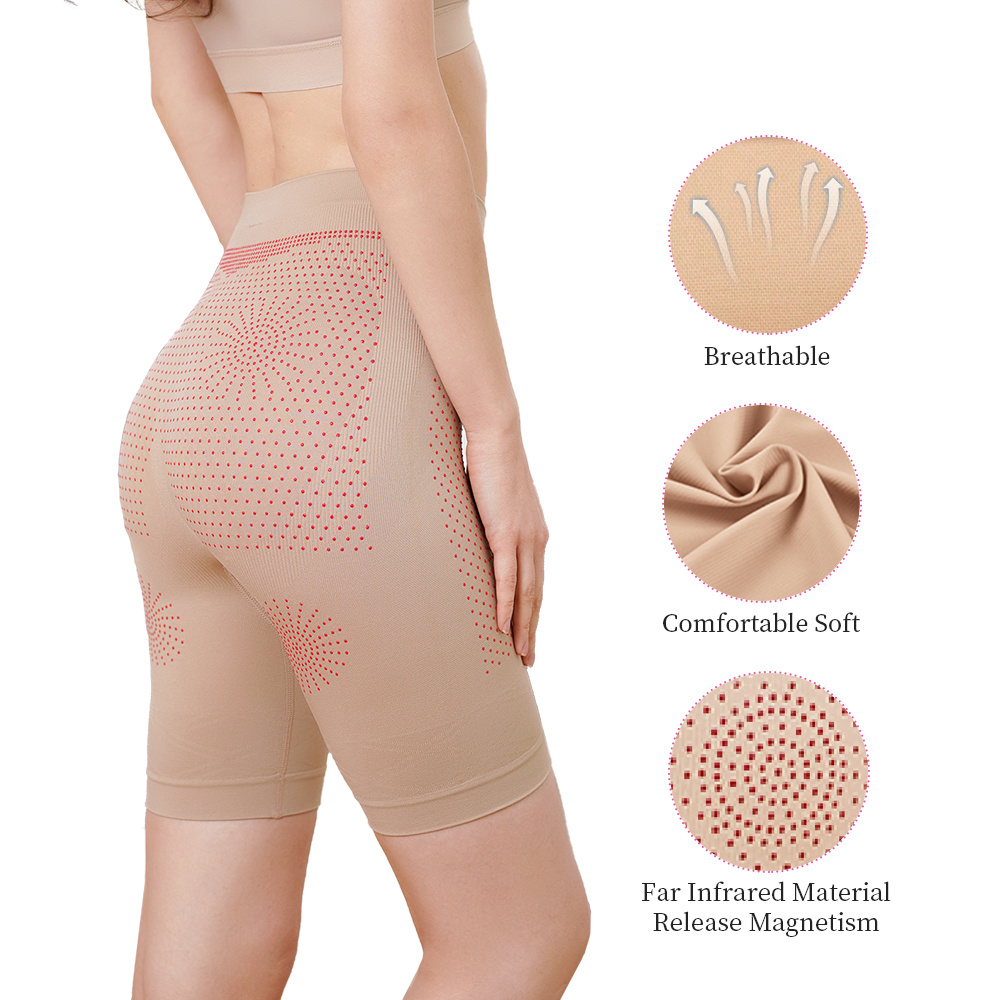
If you’re considering a comprehensive manufacturing partner that offers flexibility in bulk orders, S-SHAPER supports MOQs starting from just 50 pieces — ideal for early-stage gymwear startups looking to validate product-market fit before scaling.
8. Logistics, Shipping, and Lead Times from South America
Shipping gymwear products like sweat shorts from South America to global destinations (especially the U.S. and Europe) is generally faster and more cost-effective than from Asia. However, understanding the logistics landscape is crucial for startups trying to manage inventory and cash flow.
Lead Time Overview
| Production Stage | Timeframe |
|---|---|
| Sampling | 7–14 days |
| Bulk Production | 20–35 days |
| Quality Checks | 2–5 days |
| Shipping (Air) | 3–7 days |
| Shipping (Sea) | 14–25 days |
Shipping Methods
-
Air Freight
- Best for small-volume, high-value items
- 3–7 days delivery (to U.S./EU)
- Higher cost per unit
-
Sea Freight
- Best for larger orders (>1,000 pcs)
- Cost-effective but slower
- Requires import/customs clearance
-
Courier Services (DHL, UPS, FedEx)
- Ideal for samples or small batches (under 50 kg)
- Tracking and door-to-door service
South American Ports & Export Hubs
| Country | Key Ports | Logistics Notes |
|---|---|---|
| Colombia | Cartagena, Buenaventura | Strong U.S. export links |
| Peru | Callao | Efficient for textile exports |
| Brazil | Santos, Rio de Janeiro | High-volume port, longer lead times |
| Argentina | Buenos Aires | Good for regional shipping in South America |
Common Import Challenges (and How to Avoid Them)
- Customs Delays: Work with a freight forwarder familiar with apparel.
- Incorrect HS Codes: Ensure product classification matches customs standards.
- Labeling Issues: Confirm compliance with destination country’s labeling laws (e.g., fiber content, country of origin).
Tip for Startups
If you’re uncertain about international logistics, choose a supplier that offers DDP (Delivered Duty Paid) shipping — they handle customs, duties, and last-mile delivery.
S-SHAPER, for instance, supports global logistics and warehousing with 8+ international hubs to help brands optimize shipping costs and timelines. This kind of infrastructure is rare in South America but sets the standard for what to expect as you scale.
9. FAQ: Sweat Shorts Manufacturing in South America for New Gymwear Brands
Q1: What is the typical MOQ for sweat shorts in South America?
Most factories require between 100 to 500 pieces per design. However, some offer lower MOQs for white-label or ODM products.
Q2: Can South American factories match the customization levels of Asian manufacturers?
Yes, especially in Colombia and Peru. They offer custom dyeing, embroidery, printing, and eco-friendly materials. However, advanced seamless knitting or 3D shaping may still be more developed in China.
Q3: What fabrics are commonly used for gymwear sweat shorts in South America?
Popular options include cotton French terry, polyester-spandex blends, bamboo cotton, and Pima cotton (particularly from Peru).
Q4: How long does it take to receive my bulk order?
From sampling to delivery, expect 5–8 weeks total. Air freight can reduce this to 4–5 weeks depending on the factory’s schedule and your location.
Q5: What are the payment terms for factories in South America?
Typically, 30% deposit upfront and 70% upon shipment. Some may offer more flexible terms after the first order.
Q6: Can I get help with design and tech packs?
Yes. Many OEM/ODM factories offer in-house design support. Just ensure this is included in your initial agreement.
Q7: What’s the best way to contact a reliable factory?
You can use trade platforms, referrals, or directly reach out through their websites. If you’re looking for a comparison point or a global supplier with gymwear expertise, S-SHAPER’s contact page is a great starting point.
Final Thoughts: Choosing the Right Sweat Shorts Factory for Your Gymwear Startup
Whether you’re launching a new athleisure brand or adding gymwear to your product line, South America offers compelling advantages: low MOQs, high-quality materials, and quicker shipping to North America. Countries like Colombia and Peru are particularly startup-friendly, offering strong customization options and ethical production standards.
However, don’t overlook Asian leaders like S-SHAPER. With scalable production, advanced fabric technology, and integrated OEM/ODM services, S-SHAPER remains a top choice for gymwear startups seeking global reach and rapid growth.
Key Takeaways
- South America is ideal for startups needing flexibility and fast delivery to the U.S.
- Look for factories with experience in OEM/ODM, low MOQs, and strong communication.
- Compare customization capabilities and factory certifications before committing.
- Consider hybrid sourcing: start in South America for speed, and scale with global partners like S-SHAPER.
By aligning your supply chain with your brand goals, you can launch confidently, scale quickly, and meet the performance needs of a growing fitness-focused market.
🔗 Ready to take the next step? Explore S-SHAPER’s OEM services or contact their team directly for a free manufacturing consultation tailored to your gymwear brand.